INVESTMENT NOTE
AscendArc
Bringing production economics to geostationary satellites.

- Commercial
KT SAT first order; SLI agreement for two satellites valued above $200M.
- Team
CEO with 25 years across Boeing, Lockheed Martin and Starlink.
- Funding
~$4M seed plus a $1.8M Air Force Research Lab contract.
THE PROBLEM
Traditional geostationary satellites are powerful, but bespoke designs can cost hundreds of millions of dollars and take years to deploy. That leaves smaller operators—and the remote communities they serve—without an economical way to add reliable broadband capacity.
THE APPROACH
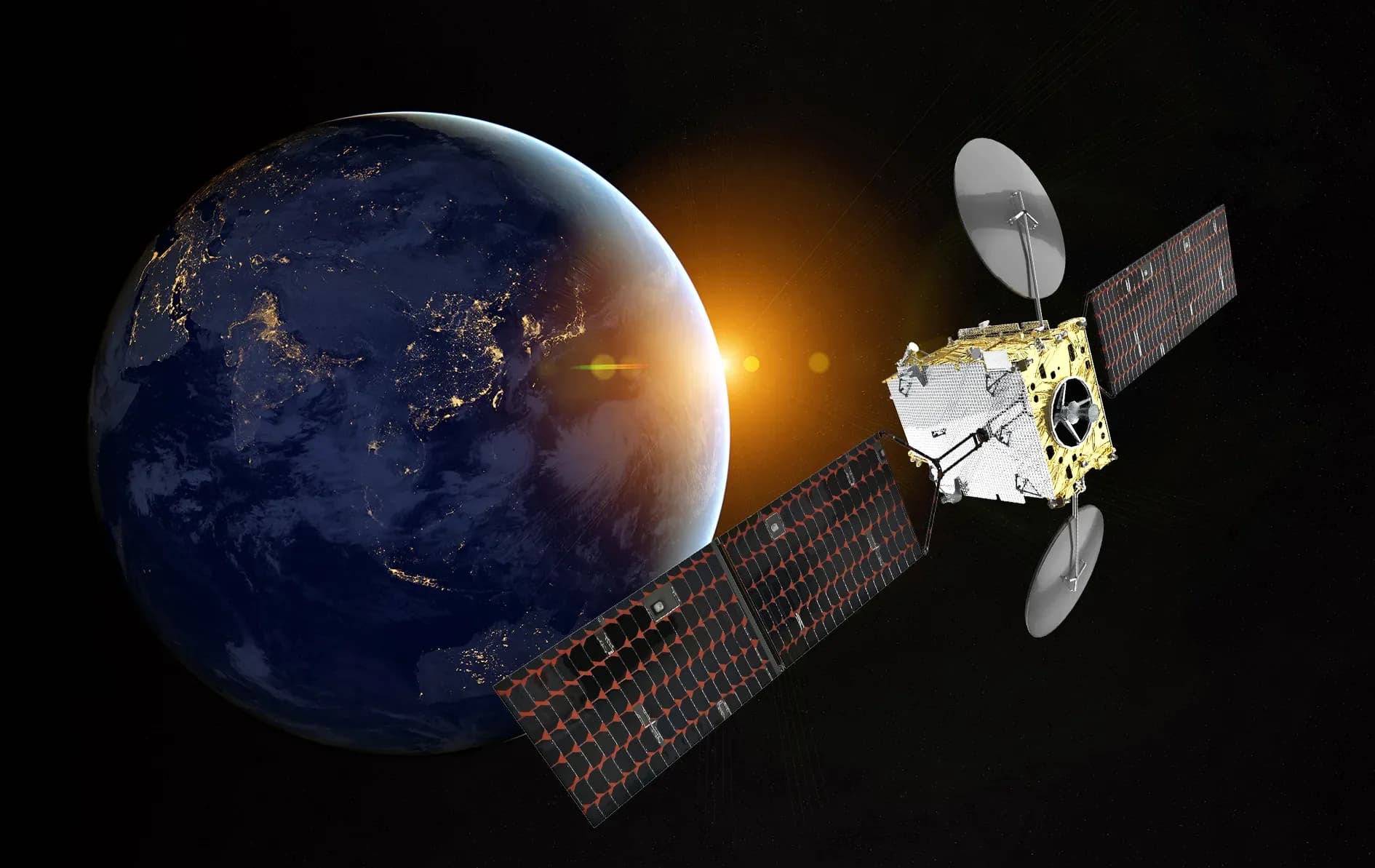
AscendArc applies the production mindset of low-Earth-orbit constellations to GEO. Its proposed satellites are smaller, software-defined and reconfigurable, combining a large antenna with a solid-state payload and modular, assembly-line manufacturing. The goal is large-satellite throughput at a much lower entry price while preserving GEO’s ability to continuously serve one region. Cost and performance claims remain forward-looking until the first spacecraft operates in orbit.
WHY THIS TEAM
- Founder and CEO Chris McLain brings 25 years of satellite experience across Boeing, Lockheed Martin, Panasonic and SpaceX’s Starlink program, plus degrees from the University of Washington and MIT.
- Executive chair David Kagan previously led Globalstar for seven years.
- The wider team adds experience from Blue Canyon, Virgin Orbit, SpinLaunch and Intel — a rare combination of payload depth and high-rate manufacturing expertise.
MOMENTUM
- Emerged from stealth with roughly $4 million in seed funding and won a $1.8 million Air Force Research Laboratory Phase II contract with Portland State University.
- In September 2025, KT SAT placed its first commercial satellite order, targeting a late-2027 launch.
- Three months later, Space Leasing International signed a preliminary agreement for two satellites valued above $200 million combined and introduced a leasing option that could lower customers’ upfront costs.