Building the first broadcasts
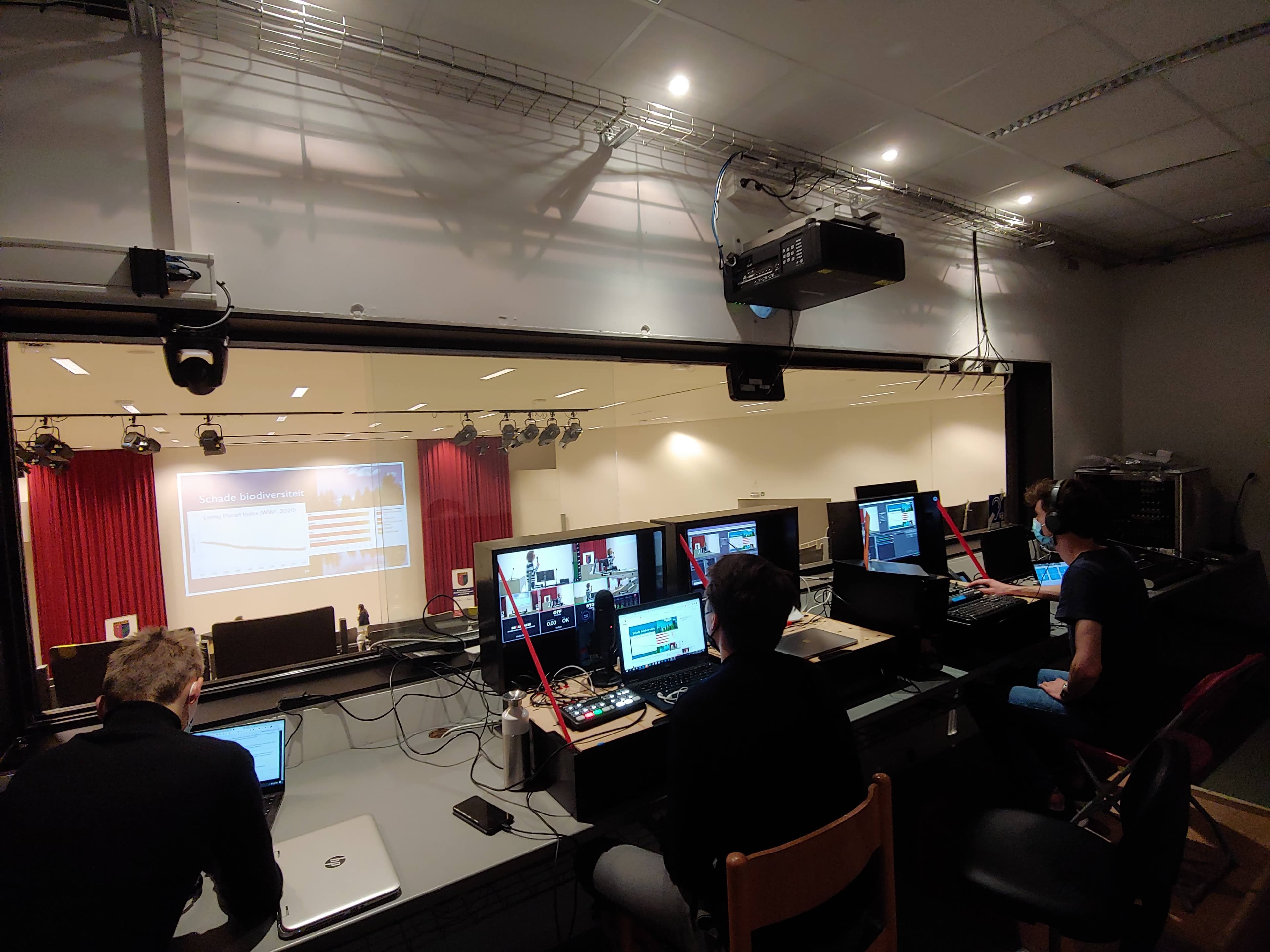
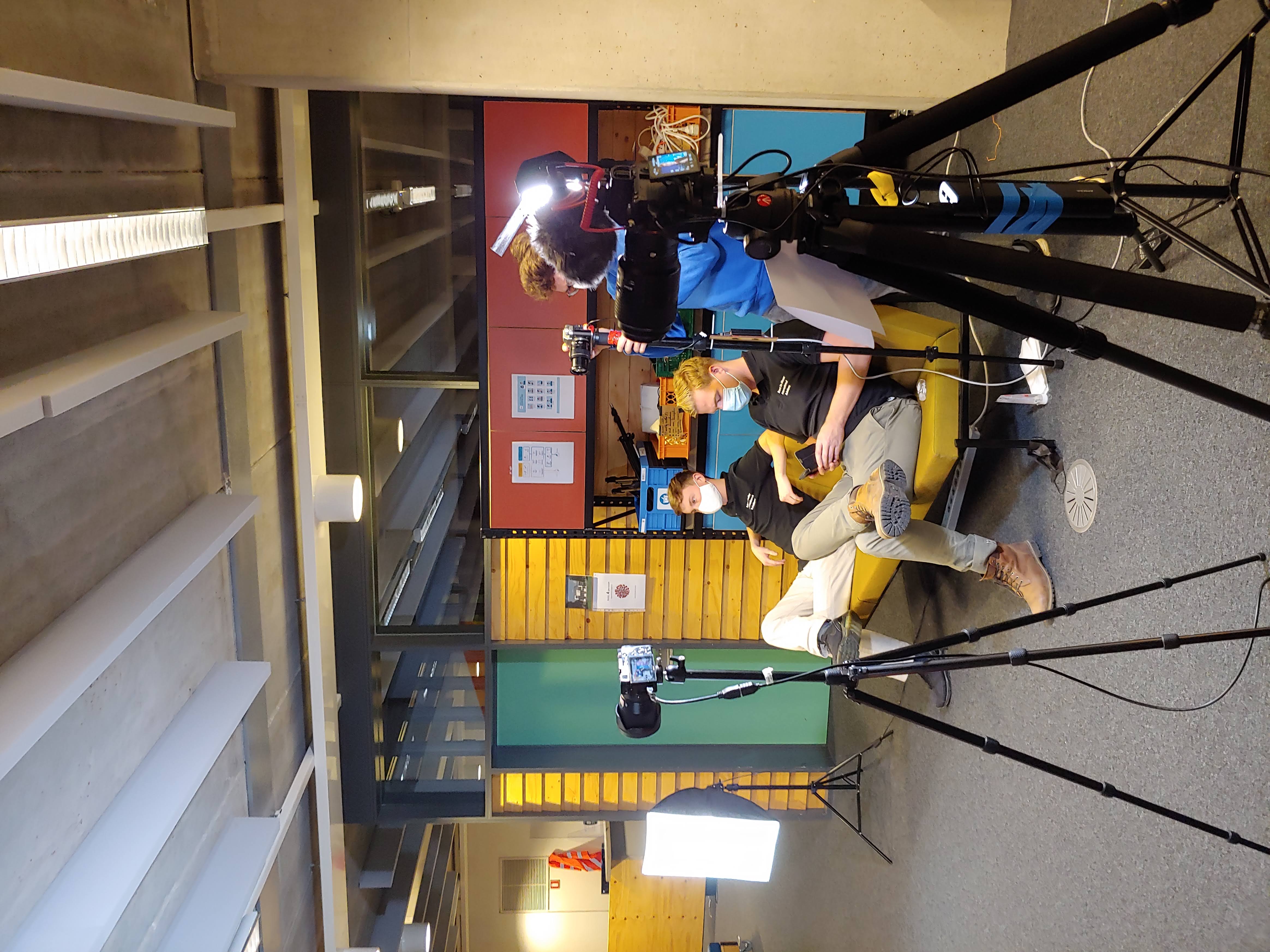
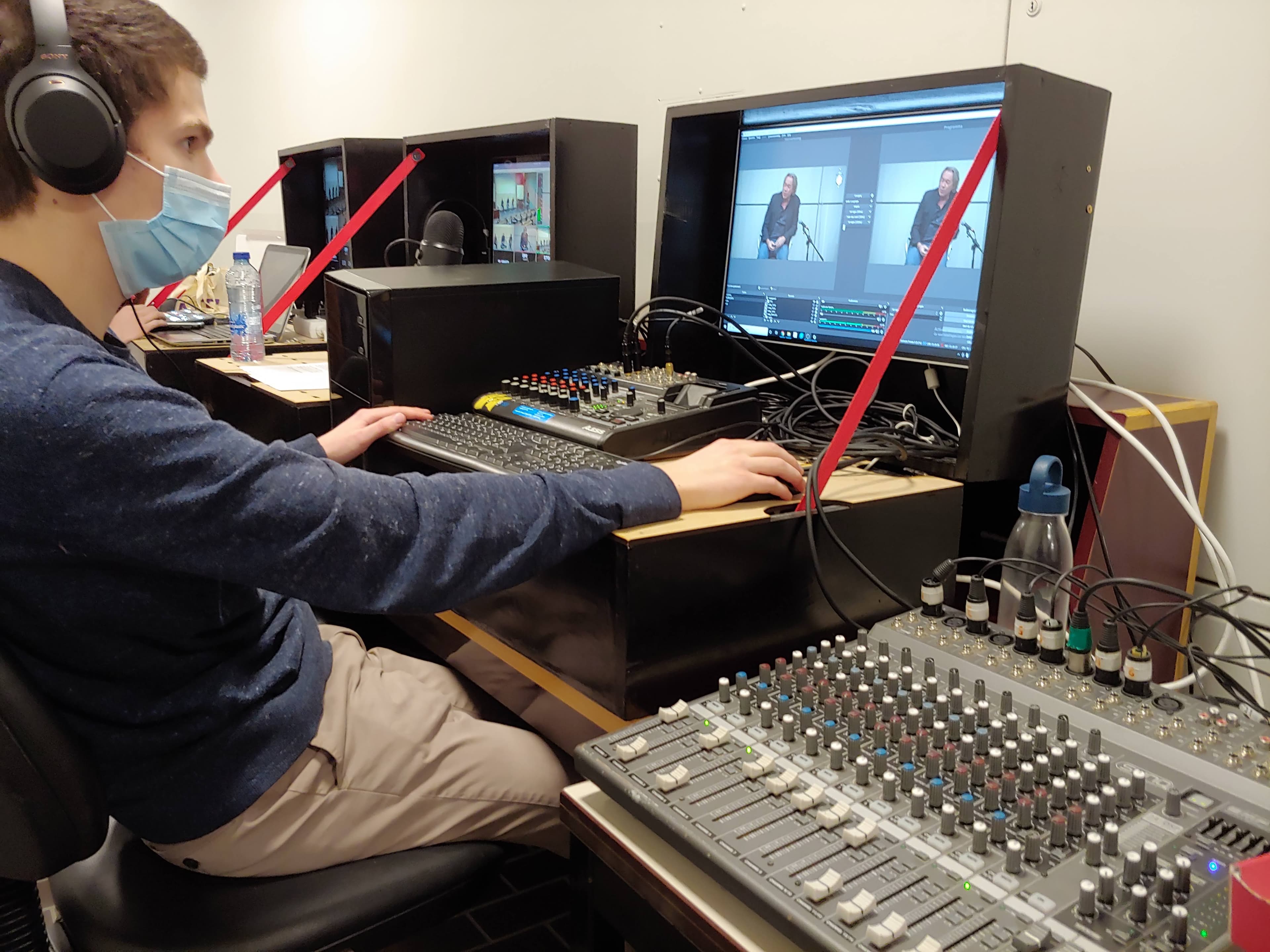
Broadkastr started during Covid, when two fellow students and I wanted a better way to bring student events online. Instead of settling for another ordinary video call, we pieced together cameras, microphones, mixers, laptops, and streaming software to produce events that felt closer to a real broadcast. The first setups were improvised, but they worked—and other organizations soon started asking for help.
The side project grew from campus livestreams into webinars, conferences, sports, and hybrid events. Every production was part technical puzzle and part live performance: camera feeds had to stay in sync, audio had to be clean, speakers had to know when they were live, and there was rarely time to debug once the broadcast started.
What it became
After a while, one of the three of us took Broadkastr on as a full-time job and developed it into a professional production business with clients across Belgium. A few years later, he sold the company to a new owner. For me, the fun part of the story is still its beginning: three students learning by doing and watching an improvised lockdown project become a real company.